Creating a home office that is both organized and productive can make a significant difference in how effectively you work from home. Whether you’re starting from scratch or improving an existing space, small changes can lead to big improvements in focus and efficiency. In this article, we’ll explore tips to help you create a home office that supports your best work.
Choose the Right Location
One of the first steps in setting up your home office is selecting the right spot. Ideally, this should be a quiet area away from high-traffic zones in your home, such as the kitchen or living room if possible. This separation helps minimize distractions and mentally distinguishes work time from leisure time.
Consider natural light when choosing your location. A space near a window provides daylight, which can improve mood and reduce eye strain. If natural light is limited, invest in good quality artificial lighting that is bright but not harsh.
Invest in Ergonomic Furniture
Comfort is key for long hours of work. Invest in an ergonomic chair that supports your back and promotes good posture. Your desk should be at a height where your arms rest comfortably while typing.
If space allows, consider a standing desk or a convertible desk to switch between sitting and standing throughout the day. Adjustable furniture helps reduce fatigue and improves circulation.
Keep Your Workspace Clutter-Free
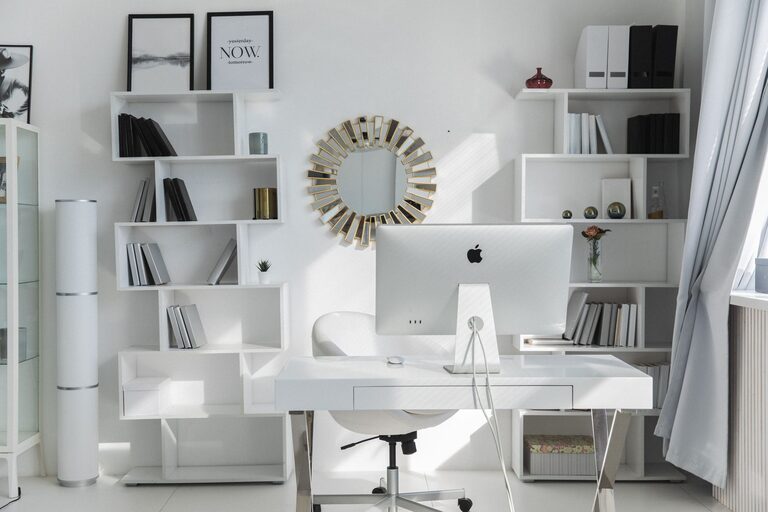
An organized desk reduces stress and keeps you focused. Use organizers such as trays, drawers, and file holders to keep documents and stationery in order. Keep only the essentials on your desk to avoid clutter.
Regularly declutter your workspace at the end of each day. This small habit prepares you for a fresh start the following morning.
Use Efficient Storage Solutions
Storage is crucial for maintaining an organized office. Use shelves, cabinets, or storage bins to store items you don’t use daily. Label containers for easy access.
Digital storage is just as important. Organize your computer files with a clear folder system and regularly back up important documents.
Minimize Distractions
Distractions can quickly derail productivity. Set boundaries with family or housemates during work hours. Consider noise-cancelling headphones if you are in a busy household.
Turn off non-work-related notifications on your devices. Create a specific “work mode” by using apps or settings that limit distractions.
Personalize Your Space Thoughtfully
While functionality is key, adding personal touches can make your office a pleasant place to spend time. Add a plant for a touch of greenery, hang artwork, or use a color scheme that inspires calm and focus.
Avoid overdecorating, which can lead to a visually distracting environment. Choose items that motivate and make you feel comfortable.
Set Up Technology Efficiently
Ensure your computer, printer, and other tech are set up for easy use. Invest in fast and reliable internet connectivity.
Arrange cables neatly using clips or sleeves to prevent tangles and maintain a tidy appearance.
Create a Daily Routine
An organized space supports, but does not replace, a good work routine. Start your day with a clear plan and use your workspace only for work activities to reinforce boundaries.
Take regular breaks to stretch and refresh your mind. Use productivity techniques like the Pomodoro method or time blocking to stay focused.
Keep Essentials Within Reach
Organize your most-used items—such as pens, notebooks, chargers, and your calendar—within arm’s reach. This avoids unnecessary movement and helps maintain workflow.
Use desk organizers or drawer dividers to keep these essentials neat and accessible.
Clean Your Space Regularly
A clean office encourages productivity and promotes a healthy environment. Wipe down surfaces, dust electronics, and clean your chair and floor space regularly.
Make cleaning a weekly habit so your workspace remains inviting and organized.
—
Creating an organized and productive home office doesn’t have to be complicated. By optimizing your location, furniture, storage, and habits, you can build a space that helps you work efficiently and comfortably. Start with small adjustments and tailor the space to your unique needs for the best results.