Creating a sustainable home garden that flourishes year-round is a rewarding way to connect with nature, reduce environmental impact, and enjoy fresh, homegrown produce or flowers. Whether you have a small backyard, balcony, or indoor space, sustainable gardening practices can help you nurture healthy plants while conserving resources.
In this post, we’ll explore essential tips for building and maintaining a sustainable garden throughout all seasons. From thoughtful planning and soil care to water conservation and plant choices, these strategies will help you cultivate a thriving green space year-round.
1. Plan Your Garden with Sustainability in Mind
Taking time to plan your garden thoughtfully makes a big difference in sustainability.
– Choose native and climate-adapted plants: Native plants are well-suited to your local growing conditions, require less water, and support local wildlife like bees and butterflies.
– Consider crop rotation and companion planting: Rotating crops and pairing compatible plants can reduce pests and improve soil fertility naturally.
– Design for all seasons: Select a mix of plants that bloom or produce food at different times to keep your garden lively and productive year-round.
2. Improve and Maintain Healthy Soil
Healthy soil is the foundation of a successful sustainable garden.
– Test your soil: Knowing your soil’s nutrient levels and pH can guide amendments without overusing fertilizers.
– Add organic matter: Compost, mulch, and aged manure enrich soil by improving texture, water retention, and nutrient content.
– Avoid chemical fertilizers and pesticides: These can harm beneficial soil organisms; instead, use natural alternatives and companion planting for pest management.
3. Save Water Through Efficient Practices
Water conservation is key to sustainable gardening, especially during dry months.
– Use drip irrigation or soaker hoses: These deliver water directly to plant roots, reducing evaporation.
– Water early or late in the day: This minimizes water loss from heat and wind.
– Collect rainwater: Setting up rain barrels helps you harvest natural water for your plants.
– Apply mulch: A layer of mulch keeps soil moist longer and prevents weeds.
4. Extend the Growing Season with Simple Techniques
Garden productivity can continue even as the seasons change.
– Use cold frames or hoop houses: These protect plants from frost and extend growing time in the cooler months.
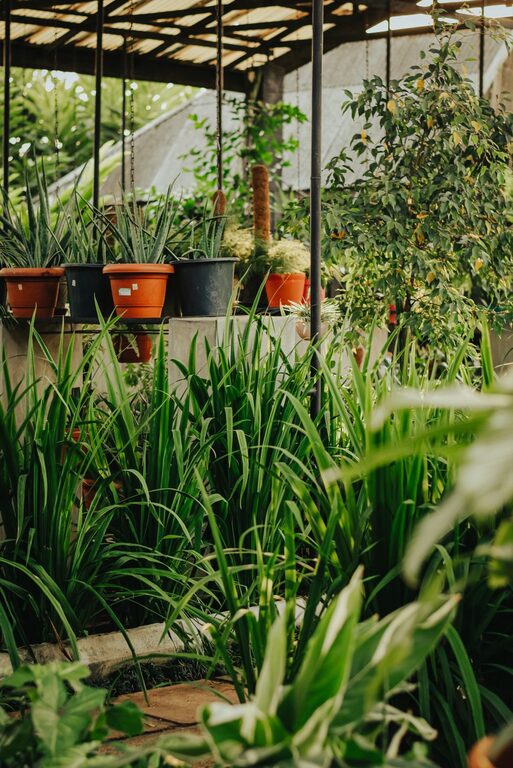
– Grow indoors or in a greenhouse: Starting seedlings indoors or growing herbs and small veggies inside provides fresh greens year-round.
– Select hardy and perennial plants: Perennials return each year with little replanting, and hardy varieties tolerate colder weather.
5. Incorporate Biodiversity for Balance
A diverse garden is more resilient and supports the local ecosystem.
– Attract pollinators: Plant flowers that draw bees, butterflies, and hummingbirds.
– Invite beneficial insects: Ladybugs and lacewings help keep pests in check naturally.
– Include a variety of plant types: Mix vegetables, herbs, flowers, and shrubs to foster a balanced microenvironment.
6. Practice Responsible Waste Management
Sustainability includes managing garden waste responsibly.
– Compost kitchen scraps and yard waste: Composting reduces landfill waste and produces nutrient-rich soil amendments.
– Recycle plant containers and tools: Reuse pots and repair tools to minimize resource use.
– Avoid plastic mulch: Opt for biodegradable or natural mulch materials instead.
7. Use Energy-Efficient Gardening Tools and Methods
Cutting energy use helps lower your garden’s environmental impact.
– Choose manual tools when possible: Hand tools like pruning shears and hoes need no electricity or fuel.
– Use solar-powered garden lights: They brighten your space without increasing your energy bill.
– Maintain tools for longevity: Proper cleaning and sharpening extend the life of your equipment.
8. Monitor and Adjust Regularly
Sustainable gardening is an ongoing process of learning and adjustment.
– Keep a garden journal: Track planting dates, weather, pest activity, and harvest results.
– Inspect plants frequently: Early detection of problems reduces the need for interventions.
– Be adaptable: Adjust your practices based on what works best in your environment and season.
—
By following these tips, you can create and maintain a sustainable home garden that thrives throughout the year. Doing so not only provides fresh, healthy plants and fresh air but also promotes environmental stewardship. Start small, stay consistent, and enjoy the beauty and benefits of your green space all year long!