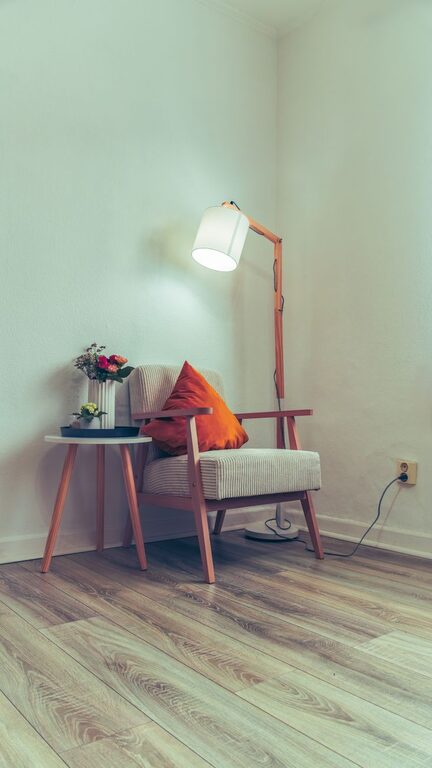
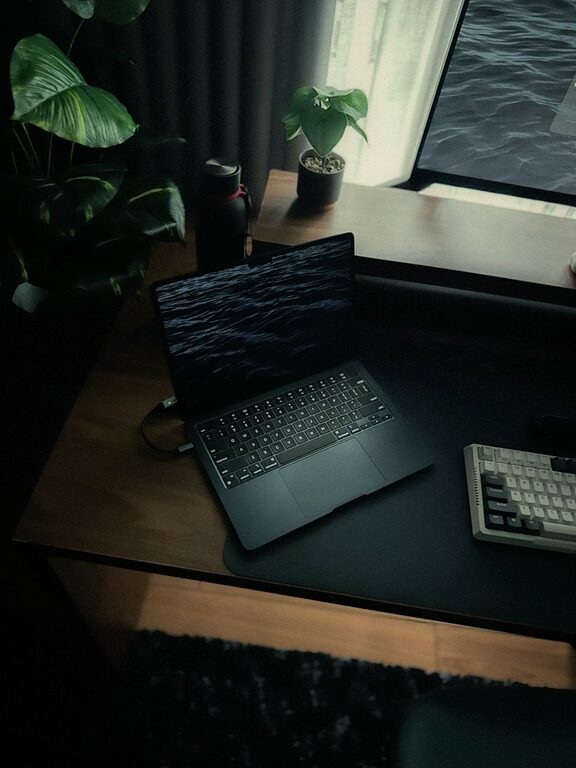
Creating a relaxing home workspace is essential for anyone who spends significant time working from home. A well-designed area not only enhances productivity but also supports your well-being by reducing stress and promoting focus. Whether you are setting up a new office or improving your current space, this guide will offer practical tips to help you craft a calm and inviting environment.
Why a Relaxing Workspace Matters
Working in a cluttered or uncomfortable area can increase stress levels and make it harder to focus. When your workspace is organized and calming, it encourages better concentration, creativity, and overall job satisfaction. A relaxing workspace helps to separate work from personal life, which is especially important when your home doubles as your office.
Choosing the Right Location
Consider Lighting and Noise
Pick a spot with good natural light, as sunlight improves mood and energy. Avoid areas near noisy appliances, busy streets, or high-traffic zones in your home. If your choice is limited, consider using noise-canceling headphones or white noise machines to minimize distractions.
Access to Essentials
Select a location close to power outlets for easy access to chargers and devices. Also, ensure your workspace has enough room for your necessary tools and materials, whether it’s a laptop, printer, or stationery.
Furniture and Ergonomics
Invest in a Comfortable Chair
Since you might spend hours sitting, choose a chair with adjustable height and good lumbar support. Comfort prevents back strain and keeps your posture healthy.
Opt for the Right Desk
Pick a desk that fits your space and work style. If you like standing periodically, consider a sit-stand desk. Make sure your monitor is at eye level to avoid neck strain.
Organize with Functionality in Mind
Use shelves, drawers, and organizers to keep your workspace tidy. A clutter-free desk helps maintain a relaxed mind and improves efficiency.
Create a Calming Atmosphere
Use Soothing Colors
Soft, neutral tones like pale blues, greens, or grays create a peaceful vibe. Avoid overly bright or harsh colors that can feel distracting or stressful.
Add Plants
Indoor plants improve air quality and add a touch of nature, which promotes relaxation. Choose low-maintenance plants like succulents or snake plants if you don’t have a green thumb.
Personal Touches
Decorate your workspace with items that inspire or comfort you, such as photos, artwork, or meaningful objects. Just avoid overcrowding your space.
Manage Technology Smartly
Declutter Cables
Use cable organizers or clips to keep wires neat and out of sight. Tangled cords can add to the sense of chaos.
Limit Notifications
Turn off non-essential notifications on your computer and phone to maintain focus and reduce stress.
Use Quality Equipment
Reliable technology, from keyboards to headphones, helps create a seamless work experience and prevents frustration caused by glitches.
Establish Boundaries and Routines
Define Work Hours
Set regular work hours and communicate them with family or housemates to reduce interruptions.
Designate a Workspace Zone
Keep work materials confined to your workspace to help mentally separate work time from personal time.
Take Regular Breaks
Incorporate short breaks into your schedule to stretch, hydrate, and rest your eyes. This practice supports productivity and well-being.
Maintain Cleanliness and Organization
Daily Tidy-Up
Spend a few minutes each day putting things away and clearing your desk.
Weekly Deep Clean
Schedule a time each week to clean your workspace thoroughly, including dusting and wiping surfaces.
Conclusion
A relaxing home workspace is achievable with thoughtful planning and small adjustments. By focusing on comfort, organization, and personalization, you can create a space that not only supports your work goals but also nurtures your peace of mind. Start with a few simple changes, and watch how a calm, inviting workspace can transform your productivity and well-being.